
















Powering a new era of distributed energy.

Scale designs, builds, owns, and operates advanced on-site energy systems for data centers that ensure industry standard reliability and speed-to-power.

Button Text
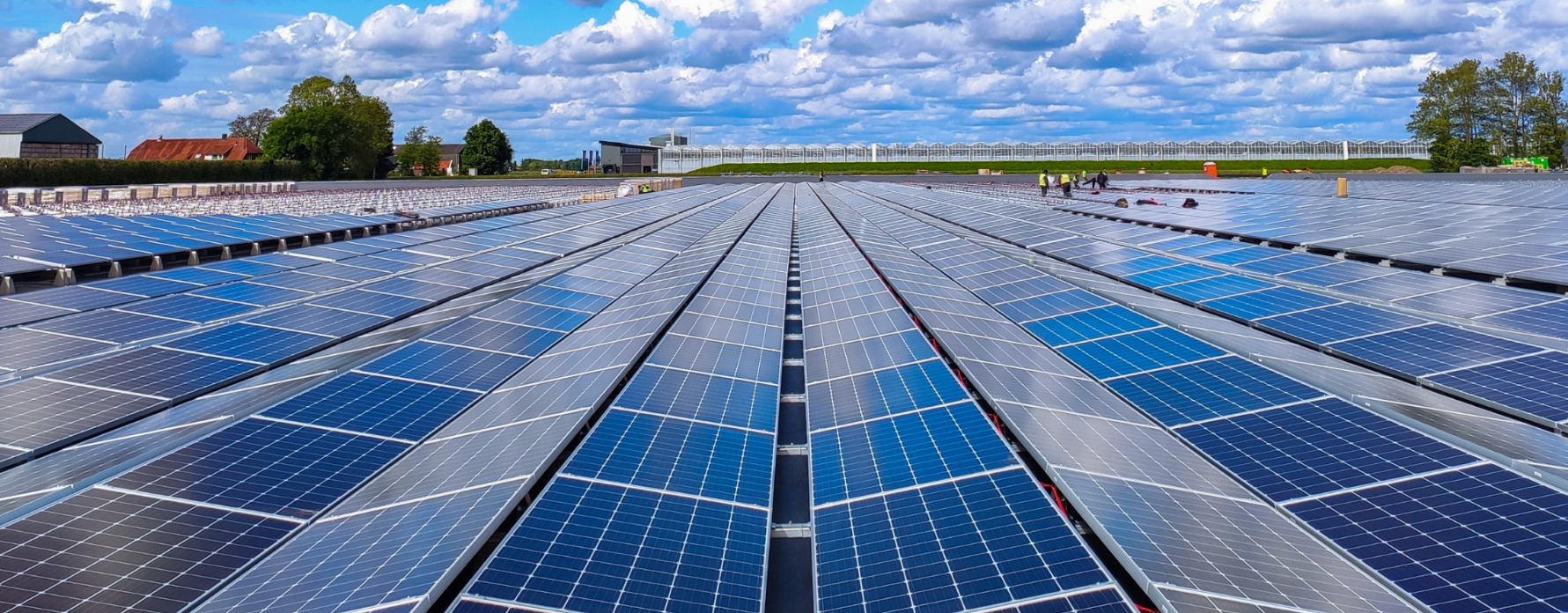
solar panels in field

Data Center Solutions

Scale designs, builds, owns, and operates advanced on-site energy systems for data centers that ensure industry standard reliability and speed-to-power.

This is some text inside of a div block.

Go Beyond The Grid

As electricity demand soars, businesses face growing risks: skyrocketing utility rates, power reliability and quality issues, and delays for new capacity. 

Scale’s advanced microgrids combine on-site energy resources, including solar, batteries, and generators, with embedded intelligence that provides resilience against all of these risks. 

‍With turnkey systems designed, operated, and financed by our team of industry-leading experts, Scale simplifies the delivery of benefits such as enhanced reliability and optimized cost savings to businesses ranging from grocery stores to cold storage facilities to steel factories.

A sunny day showing all the components of an installed microgrid - battery storage, solar, and generators.

Our customers are saving $737 million in utility costs.

Our advanced microgrids deliver optimized energy cost savings while enhancing energy reliability and improving sustainability. That’s why leading businesses, educational institutions, and other organizations trust Scale Microgrids to support their energy needs.

Enhanced Reliability

Fast transitions to backup power protects critical operations

Optimized Cost Savings

Lock in lower energy costs and adapt to changing rates

Faster Speed-To-Power

Power new facilities or expansions sooner than utility service

Sustainability Platform

Integrate resources like solar and EVs to reduce emissions

Speed

Faster Speed-to-Power

Reliability

Industry-standard, 99.9+% uptime

Customizable

Multiple DERs, off-grid or grid-tied

Advantages of Scale's Approach

Scale delivers on the core speed-to-power and reliability priorities of data center operators, while also providing opportunities for additional value from the integration of multiple types of distributed energy resources (DERs). 

Growing Electricity Risks

Cold Storage facilities place a premium on electricity reliability and power quality, as disturbances to refrigeration equipment can result in extended downtime, wasted materials, and added costs from follow-on issues like supply chain disruptions.

Solar

Average US outage hours are at the highest level in over a decade, with 80% of those hours caused by increasingly-frequent extreme weather events.

Solar

Cold storage facilities can incur costs of tens or even hundreds of thousand of dollars per hour of downtime – and even losing power for a few seconds can incur major costs as sensitive processes are disrupted, product is lost, and equipment must be recalibrated and restarted.

Solar

Meanwhile, utility rates are soaring, driven largely by fixed transmission and distribution costs that can’t be hedged away by traditional retail suppliers. The shift towards time of use rates and higher demand charges also reduces the value of solar-only installations that can’t shape facility demand.

Solar

Meanwhile, utility rates are soaring, driven largely by fixed transmission and distribution costs that can’t be hedged away by traditional retail suppliers. The shift towards time of use rates and higher demand charges also reduces the value of solar-only installations that can’t shape facility demand.

Growing Electricity Risks

Cold Storage facilities place a premium on electricity reliability and power quality, as disturbances to refrigeration equipment can result in extended downtime, wasted materials, and added costs from follow-on issues like supply chain disruptions.

C&I Electricity Rate Increases

Commercial 2006–2020 Industrial 2006–2020 Commercial 2020–2025 Industrial 2020–2025

% cost increase relative to base year

C&I Electricity Rate Increases

Commercial 2006–2020 Industrial 2006–2020 Commercial 2020–2025 Industrial 2020–2025

% cost increase relative to base year

Solar

Average US outage hours are at the highest level in over a decade, with 80% of those hours caused by increasingly-frequent extreme weather events.

Solar

Cold storage facilities can incur costs of tens or even hundreds of thousand of dollars per hour of downtime – and even losing power for a few seconds can incur major costs as sensitive processes are disrupted, product is lost, and equipment must be recalibrated and restarted.

Solar

Meanwhile, utility rates are soaring, driven largely by fixed transmission and distribution costs that can’t be hedged away by traditional retail suppliers. The shift towards time of use rates and higher demand charges also reduces the value of solar-only installations that can’t shape facility demand.

Solar

Meanwhile, utility rates are soaring, driven largely by fixed transmission and distribution costs that can’t be hedged away by traditional retail suppliers. The shift towards time of use rates and higher demand charges also reduces the value of solar-only installations that can’t shape facility demand.

Redefining Resilience

Scale’s advanced microgrids provide fast, automatic transitions to backup power while locking in lower electricity costs, making manufacturing resilient to today’s growing energy risks.

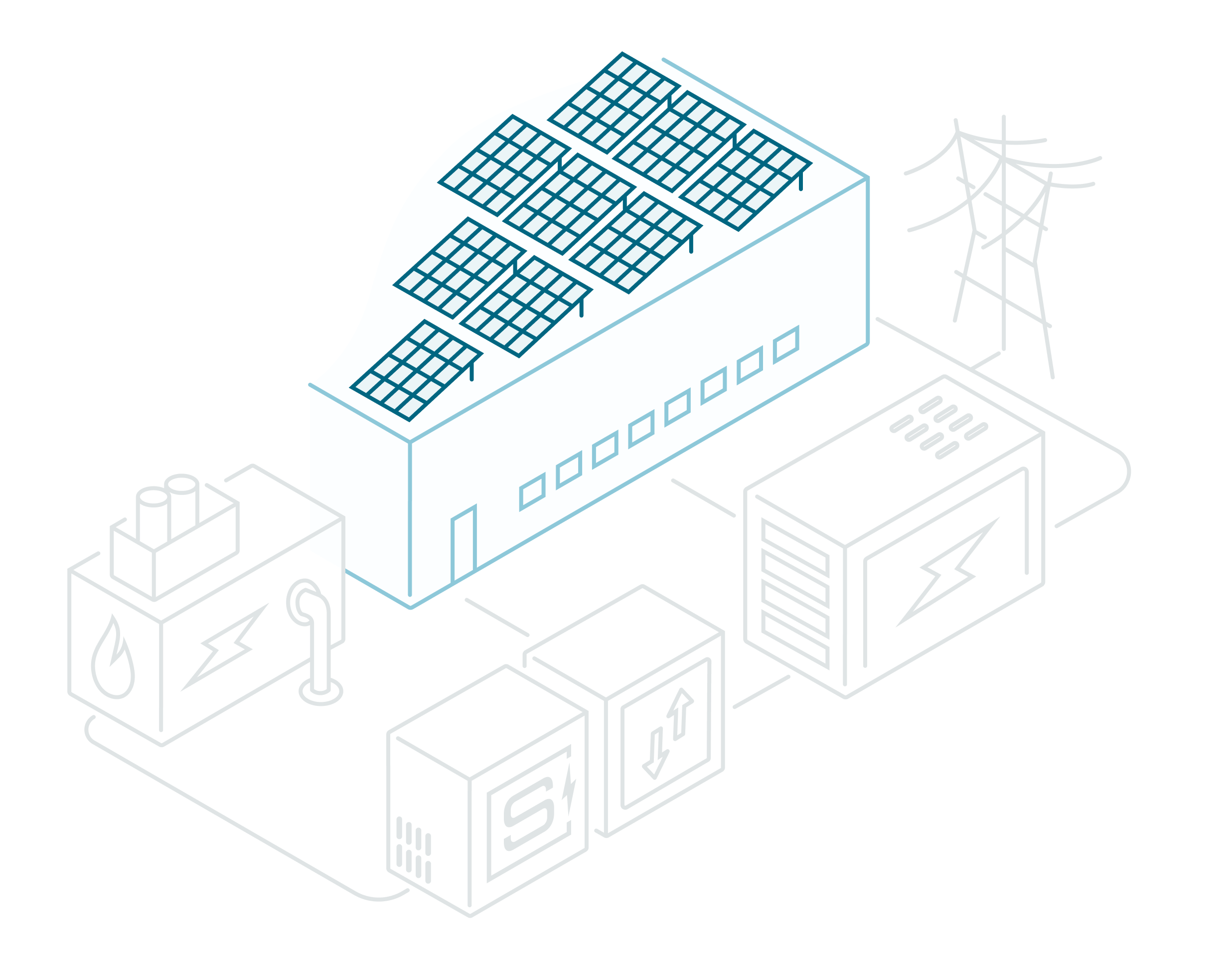
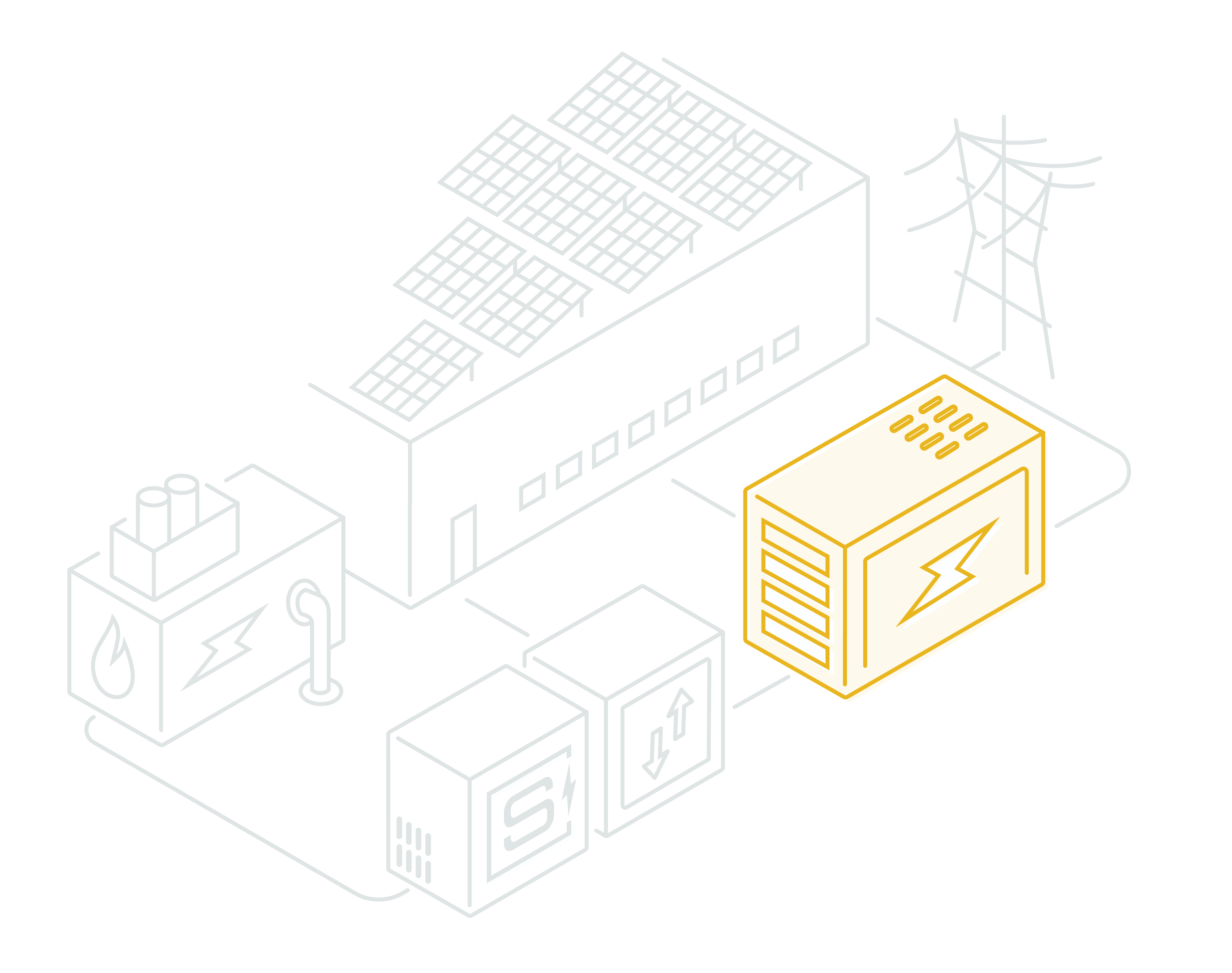
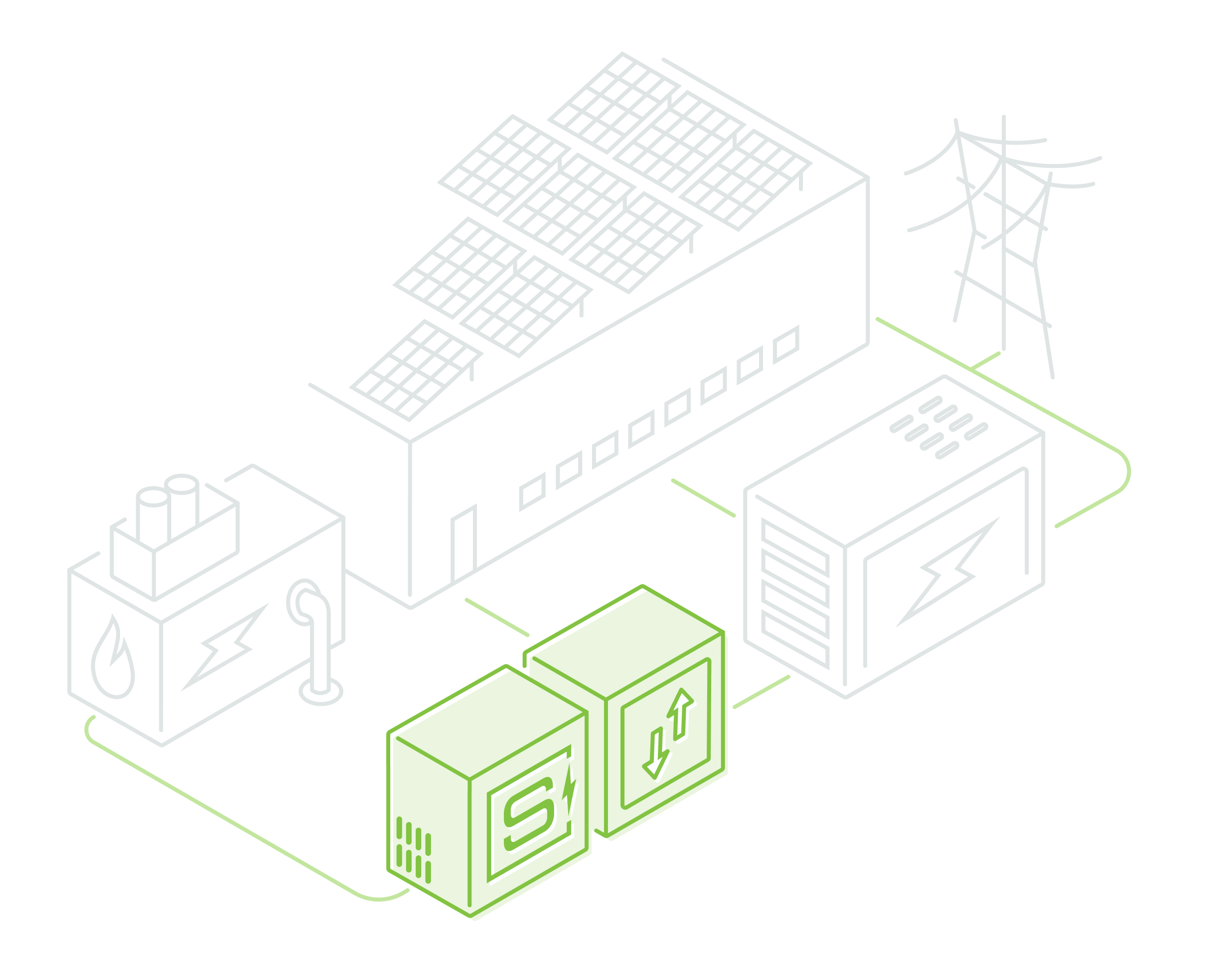
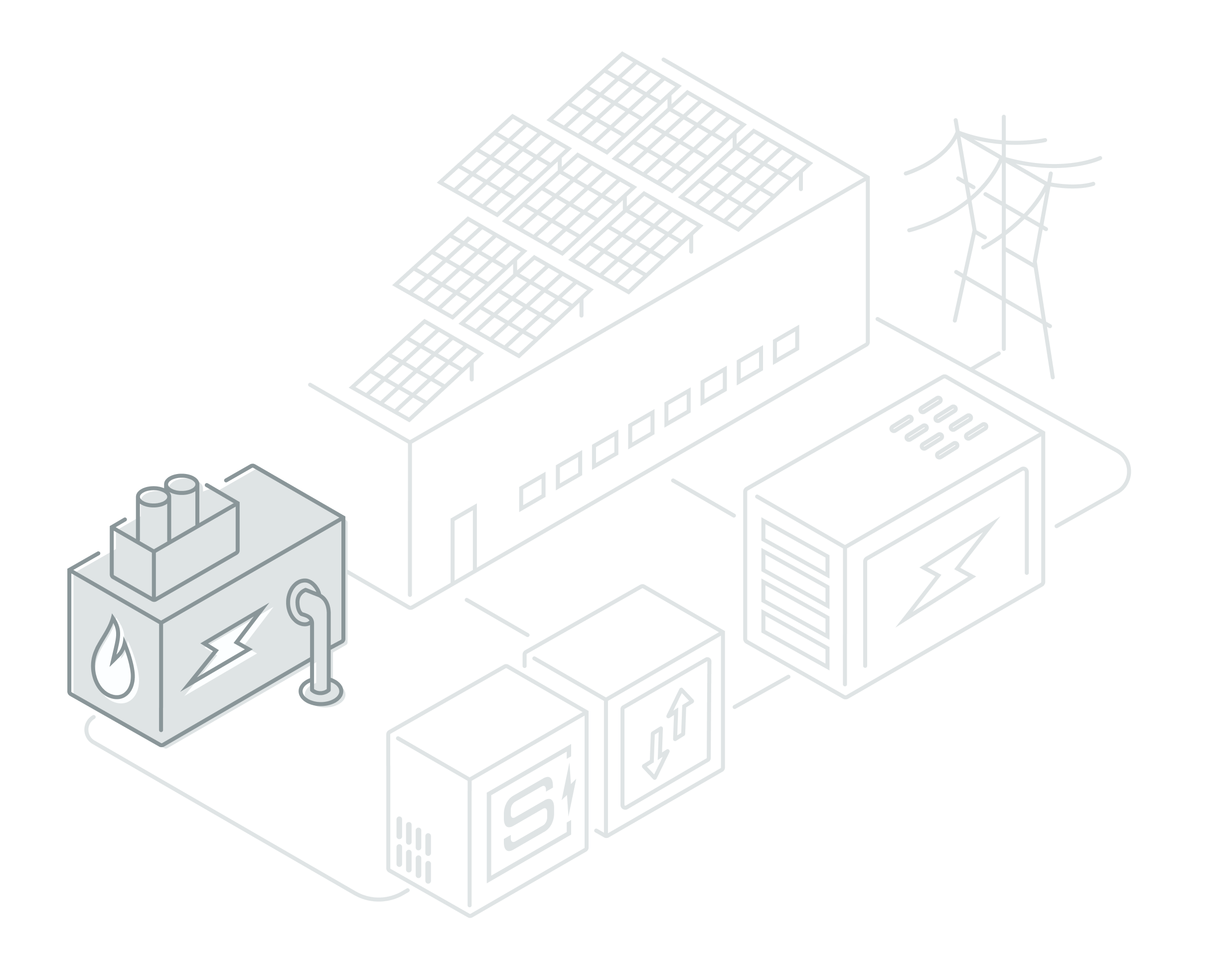
Diagram showing a building equipped with solar panels on the roof connected to a power plant, battery storage units, and an electrical transmission tower, representing an integrated solar power and energy storage system. Highlighted is the rooftop solar panel system.Isometric diagram showing energy flow between a fossil fuel power plant, solar panel-equipped building, battery storage units, electrical substation, and power transmission tower connected by green power lines. Highlighted are the Scale Microgrid controls.
Diagram showing a building equipped with solar panels on the roof connected to a power plant, battery storage units, and an electrical transmission tower, representing an integrated solar power and energy storage system. Highlighted is the rooftop solar panel system.

Solar

Lowers energy costs and improves sustainability with zero-emission power

Battery

Lowers energy costs and improves sustainability with zero-emission power

Isometric diagram showing energy flow between a fossil fuel power plant, solar panel-equipped building, battery storage units, electrical substation, and power transmission tower connected by green power lines. Highlighted are the Scale Microgrid controls.

Controls

Lowers energy costs and improves sustainability with zero-emission power

Generator

Lowers energy costs and improves sustainability with zero-emission power

Advantages of Scale’s Approach

Scale delivers on the core speed-to-power and reliability priorities of data center operators, while also providing opportunities for additional value from the integration of multiple types of distributed energy resources (DERs).

Faster Time-To-Power

Power new facilities or expansions sooner than utility service

Enhanced Reliability

Fast transition to backup power protects your critical operations

Optimized Cost Savings

Lock in lower energy costs and adapt to changing rates

Frequently Asked Questions

What kinds of organizations does Scale partner with?

Scale has partnered with organizations across the energy landscape, including project developers, demand response schedulers, energy retailers, advisory firms, fleet management companies, charging infrastructure providers, and more. The common themes across all of these partners is that they put their customers’ needs first, are creative problem-solvers, and are focused on providing high-quality service. Ultimately, we are seeking partners with complementary capabilities and domain expertise that allow us to deliver more value to our customers by working together.

How are Scale's partnerships structured?

Scale offers equitable partner agreements that compensate our partners for their unique skill sets, with a goal of incentivizing the most beneficial, cost-optimal, and efficient projects across the value chain. These agreements are driven by quarterly and annual goals set in collaboration with our partners, which are based on each organization's strategic business initiatives to ensure these partnerships help both of us grow.

What is a microgrid?

Microgrids are integrated systems of on-site energy infrastructure that use advanced controls to optimize distributed energy resources (DERs) such as solar arrays, battery storage, and/or dispatchable generation. 

‍

They can operate in tandem with the utility grid supply to provide cost savings, emission reductions, and supplementary power capacity, while also ensuring energy resilience through the ability to “island” from the grid and power a facility independently during utility outages. Microgrids can also provide a completely self-sufficient, off-grid source of power for facilities that lack a grid connection, with the ability to integrate with utility service if and when it becomes available.  

What are the main benefits of a microgrid?

Microgrids can provide several valuable advantages compared to relying exclusively on the utility grid, including cost savings, enhanced resilience, and improved sustainability performance. A growing number of businesses are also turning to microgrids to provide power supplies (or additional capacity) for facilities sooner and at a lower cost than waiting for utility service or capacity upgrades.