Manufacturing Facilities
US manufacturers face rising electricity rates, reliability issues, and delays for new capacity. Scale’s customized advanced microgrid solutions enable you to adapt and thrive, making your business resilient against all of these risks.
Growing Electricity Risks
Manufacturing plants place a premium on electricity reliability and power quality, as disturbances to sensitive equipment can result in extended downtime, wasted materials, and added costs from follow-on issues like supply chain disruptions.
Average US outage hours are at their highest level in over a decade, with almost every region of the country experiencing a year with 8 or more hours of outages in recent memory.
Almost 80% of outages are caused by severe weather events, and the number of these outages have doubled over the last decade.
Manufacturing facilities can incur costs of tens or even hundreds of thousand of dollars per hour of downtime.
And as operations become increasingly automated, even losing power for a few seconds can incur major costs as sensitive processes are disrupted, product is lost, and equipment must be recalibrated and restarted.
Utility rates are skyrocketing, far outpacing inflation with increases of over 25% increase nationally over the past 5 years - and over 50% in the mid-Atlantic, northeast, and California.
The fastest-growing components are demand-based charges (including capacity charges) and fixed costs, challenging traditional energy cost management strategies.
Redefining Resilience
Scale’s advanced microgrids provide fast, automatic transitions to backup power while locking in lower electricity costs, making facilities resilient to today’s growing energy risks.
Optimized Cost Savings
Lock in fixed, lower energy costs and adapt to changing rate structures
Enhanced Reliability
Fast transitions to backup power protect your critical operations from disruption
Faster Time-To-Power
Power new facilities or expansions ahead of utility service to avoid delays
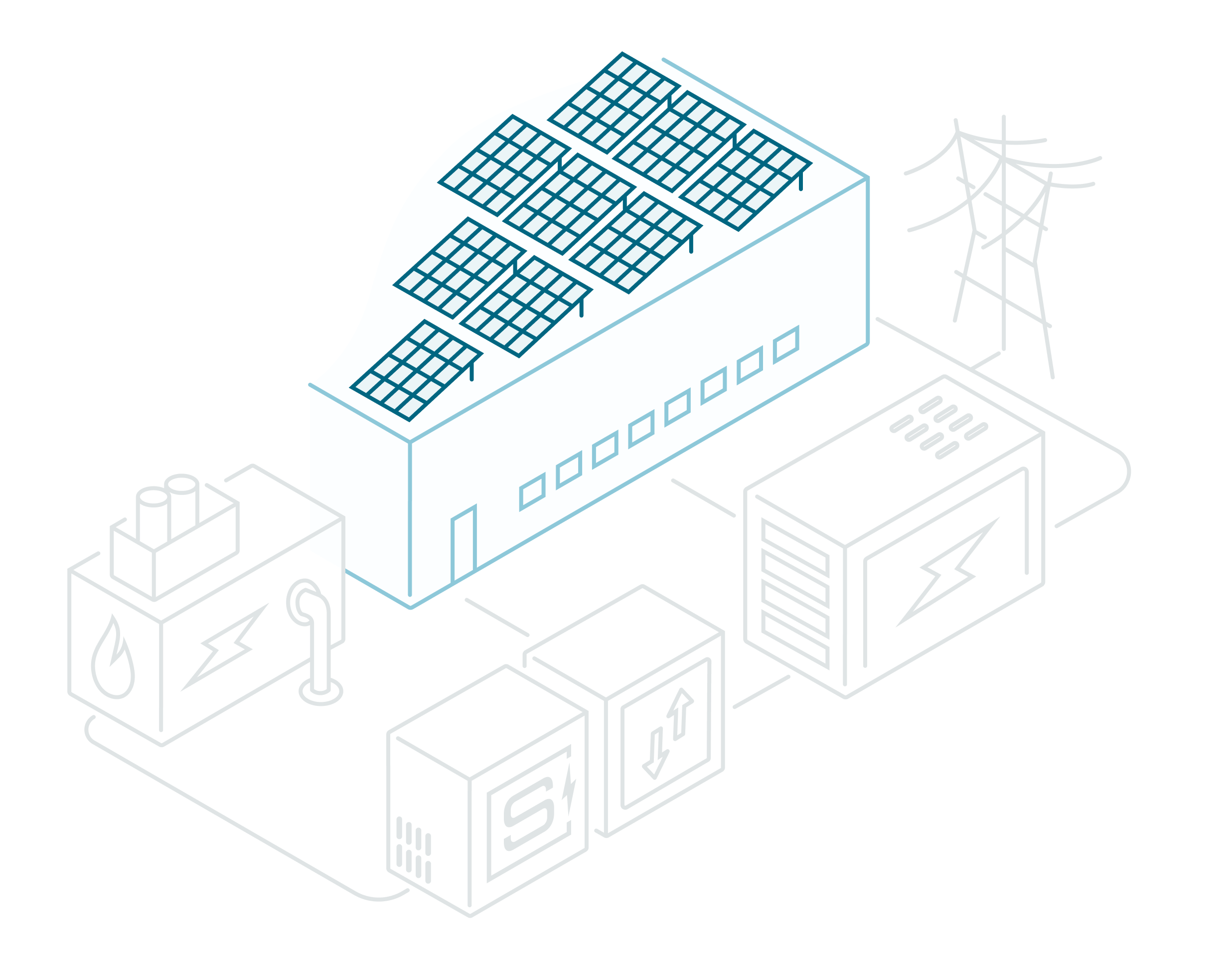
Solar
Typically the cheapest source of kilowatt-hours, solar arrays lower energy costs and improve sustainability by generating zero-emission power from the sun.
Pairing solar with optimized battery storage is key to maximizing its value, particularly where regulations have reduced the value of solar-only systems.
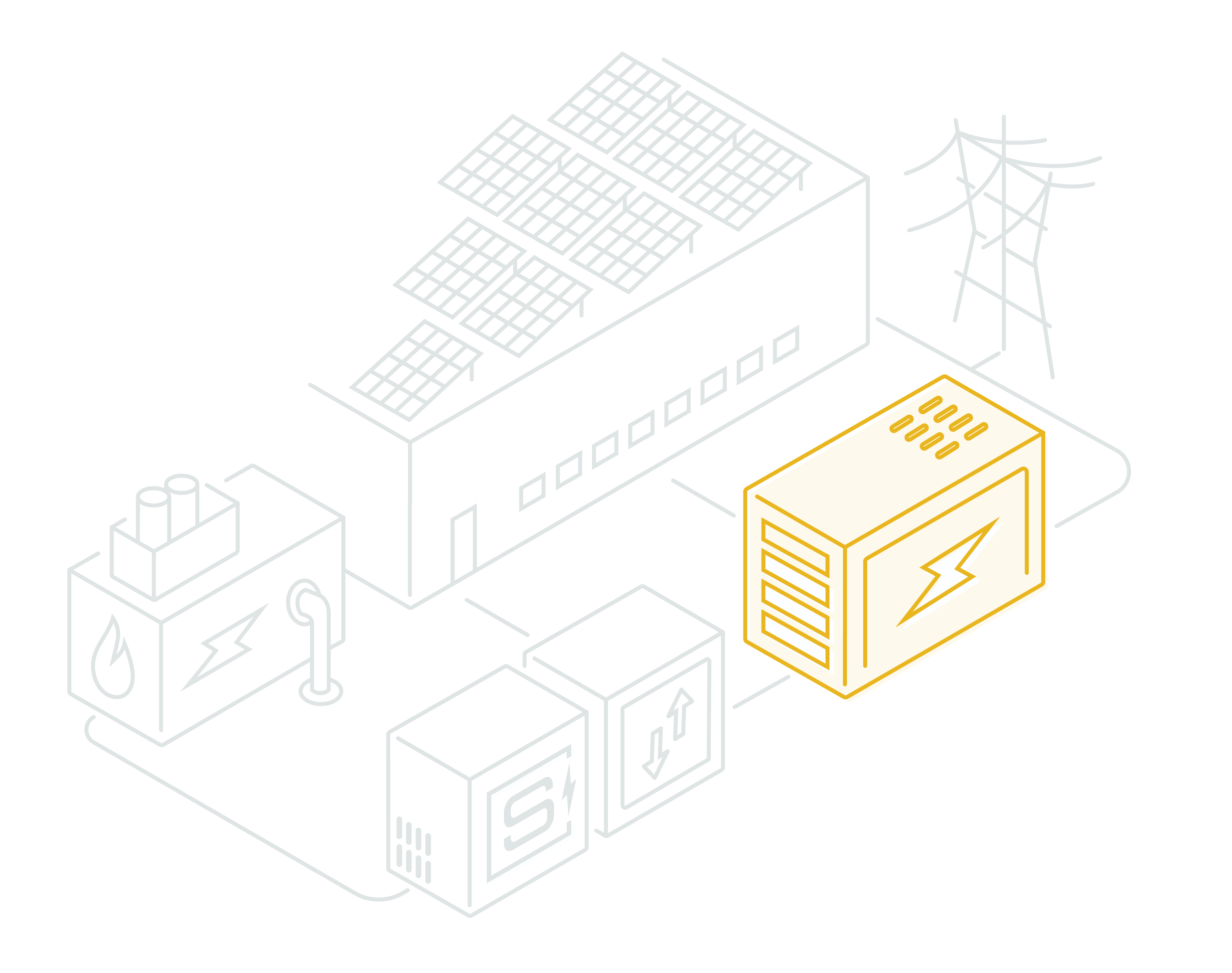
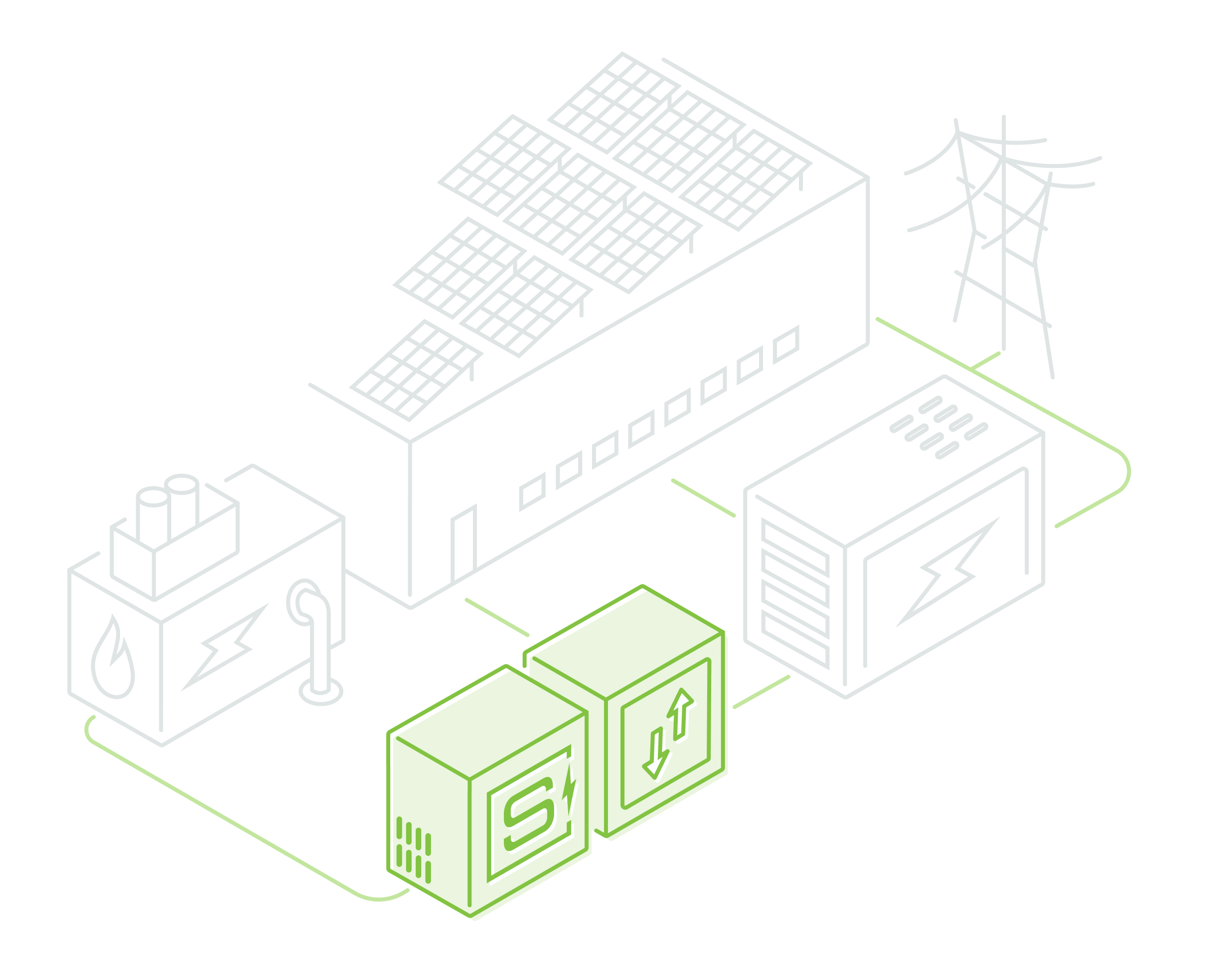
Battery
With or without solar, battery storage lowers energy costs by reducing grid use during the hours of the day, month, and year when utility prices are highest.
Batteries can also provide near- instantaneous transitions to backup power, eliminating disruptions to operations when the grid goes down.
Controls
Microgrid controls optimize dispatch of each resource to maximize value, provide fast, automatic transitions to backup power, and enable speed-to-power for facilities without grid access.
Scale's industry-leading expertise allows us to configure these controls in-house, customizing them to the specific needs of each customer facility.
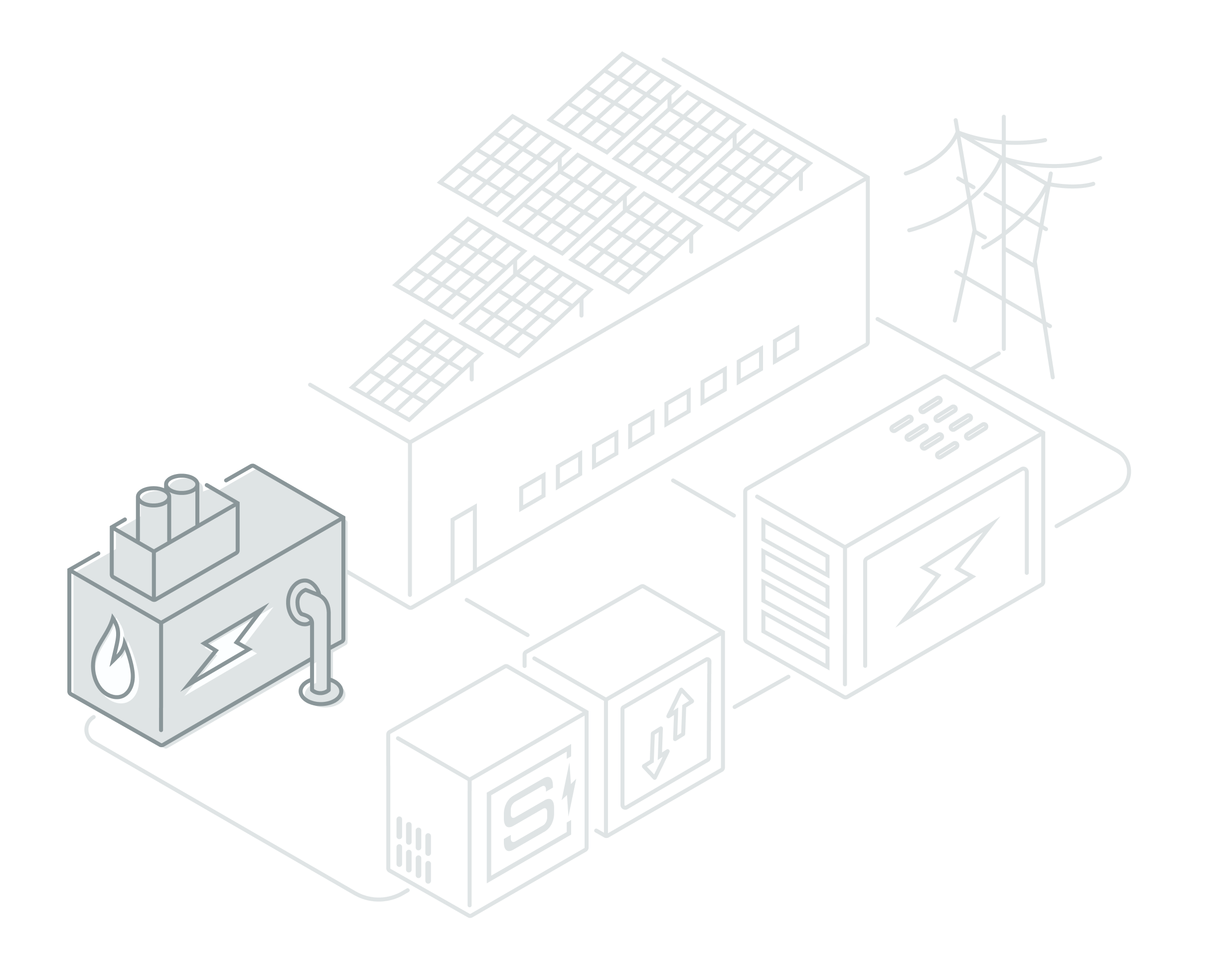
Generator
Fuel-based generators provide a source of unlimited-duration backup power for extended outages. Generators also provide prime power to off-grid systems.
Scale can integrate existing backup generators or new, low-emission natural gas gensets we design and commission in-house for maximum reliability.
Advanced Microgrids
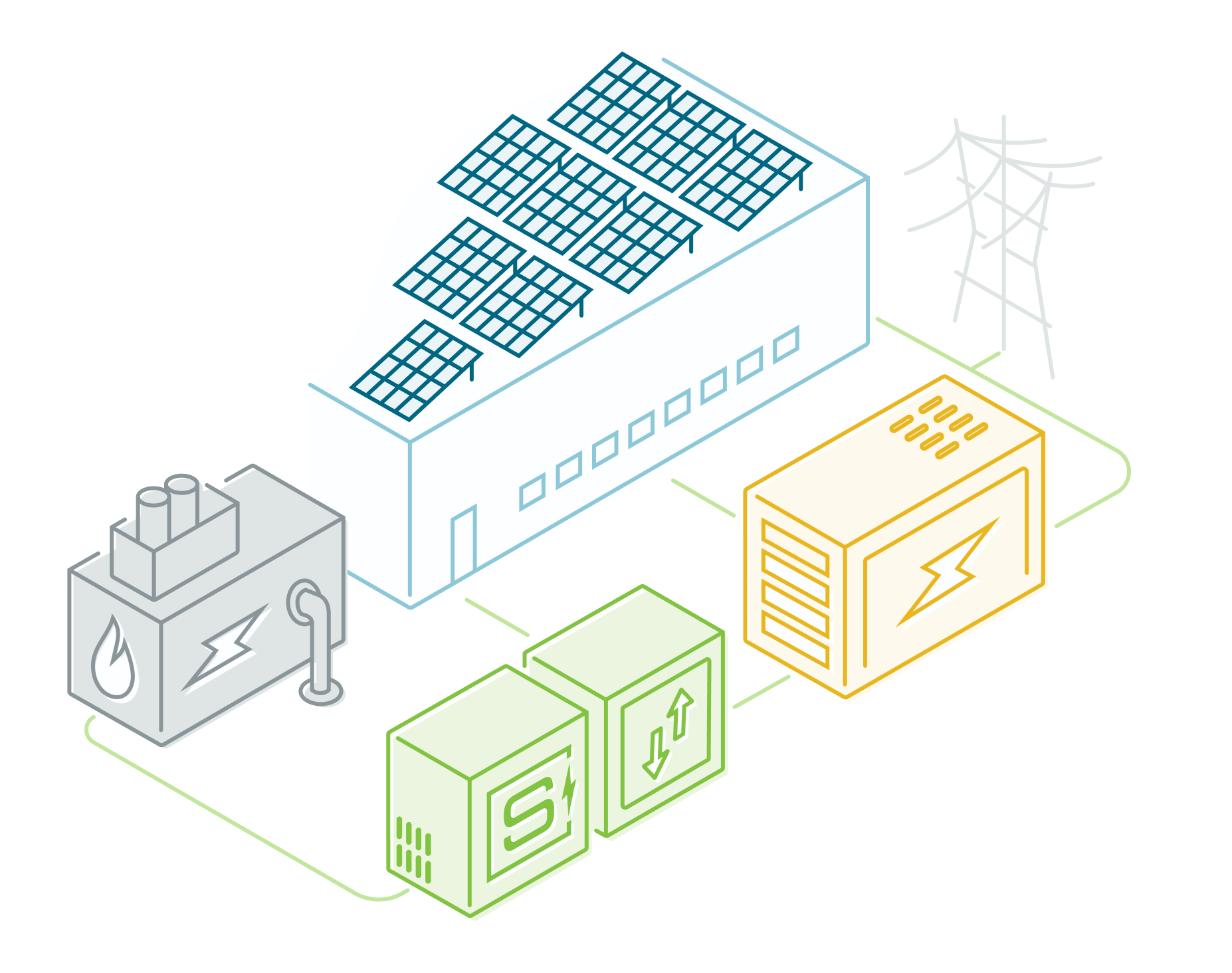
Scale’s advanced microgrids are integrated systems of on-site energy infrastructure, with multiple distributed energy resources (DERs) such as solar, battery storage, and generators, and optimal dispatch via customized controls.
Scale’s BYOP Speed-to-Power Solutions
Scale’s "Bring Your Own Power" (BYOP) offerings provide a solution to multi-year utility capacity delays, with microgrids that provide faster, ultra-reliable power for manufacturing sites that currently lack a grid connection or need more power at their existing grid-tied facility.
As detailed in this white paper, we have a proven track record of delivering generator-based prime power solutions as well as advanced, multi-resource microgrids that also incorporate solar and storage.
Learn more.
The next level of on-site energy.
Backup Generator
Advanced Microgrid
Solar


Full Lifecycle Support
Scale provides advanced microgrids under a microgrid-as-a-service model, under which we take full responsibility for the entire project lifecycle, from design and construction through long-term ownership and operations.
This service model enables manufacturing industry customers to eliminate up-front costs and minimize risks by leveraging Scale’s industry-leading expertise, proprietary software platform, and capital resources to ensure successful advanced microgrid projects.

Design
Build