Public Safety Power Shutoffs Are Getting More Frequent. Is Your Facility Ready?
In California, electricity costs are spiraling and outage risks keep climbing. Scale’s advanced microgrids help you take control – with lower, stable costs and power you can count on.

Why California’s Electricity Costs Keep Growing
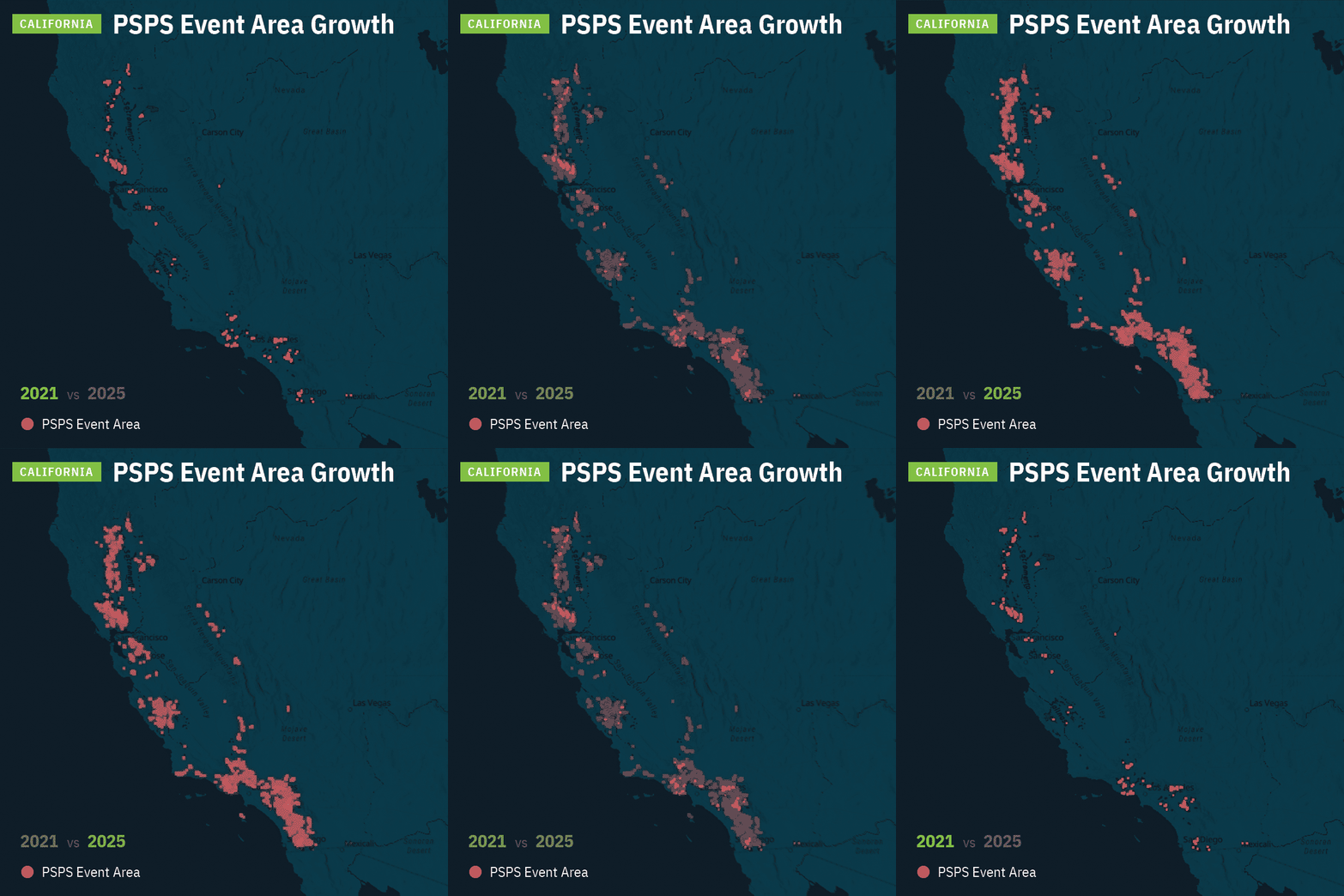
The impact of wildfires in California extends beyond immediate risks to affected communities. They drive up electricity costs for all Californians, as well as create novel risks of extended, precautionary power outages as utilities struggle to prevent these catastrophic events. Unfortunately, this problem isn’t going away anytime soon, which is why more and more businesses are reducing their exposure to cost as well as outage risks by building microgrids for their facilities.
Learn more about how wildfire risk hits your energy budget, or contact our team to get a quick, free estimate of how our advanced microgrids can protect your bottom line as well as your operations.
Want to avoid PSPS events? Contact us.
California’s Unique Electricity Risks
California businesses pay some of the highest electricity rates in the country, and the rate increases keep coming. Meanwhile, routine power outages from aging grid infrastructure – as well as extended outages from severe weather events and wildfires – remain a major operational risk in many areas of the state.
Electricity rates for California businesses have increased by more than 50% over the past 5 years – three times faster than the average pace of rate hikes over the previous 15 years.
Wildfire-related expenses have become a main driver of these rate increases – they now account for 15-25% of the expenses of the state’s major utilities, which flows directly to your electricity bill.
Wildfires can also drive power outages, including from Public Safety Power Shutoffs. Between wildfires, severe weather, and an aging grid, the average California end-user gets hit with over 4 hours of outages most years.
Redefining Resilience
Scale’s advanced microgrids can provide fast, automatic transitions to backup power while locking in lower electricity costs, making California businesses resilient to the unique energy risks they face.
Optimized Cost Savings
Lock in fixed, lower energy costs and adapt to changing rate structures
Enhanced Reliability
Fast transitions to backup power protect your critical operations from disruption
Faster Time-To-Power
Power new facilities or expansions ahead of utility service to avoid delays
Advanced Microgrids
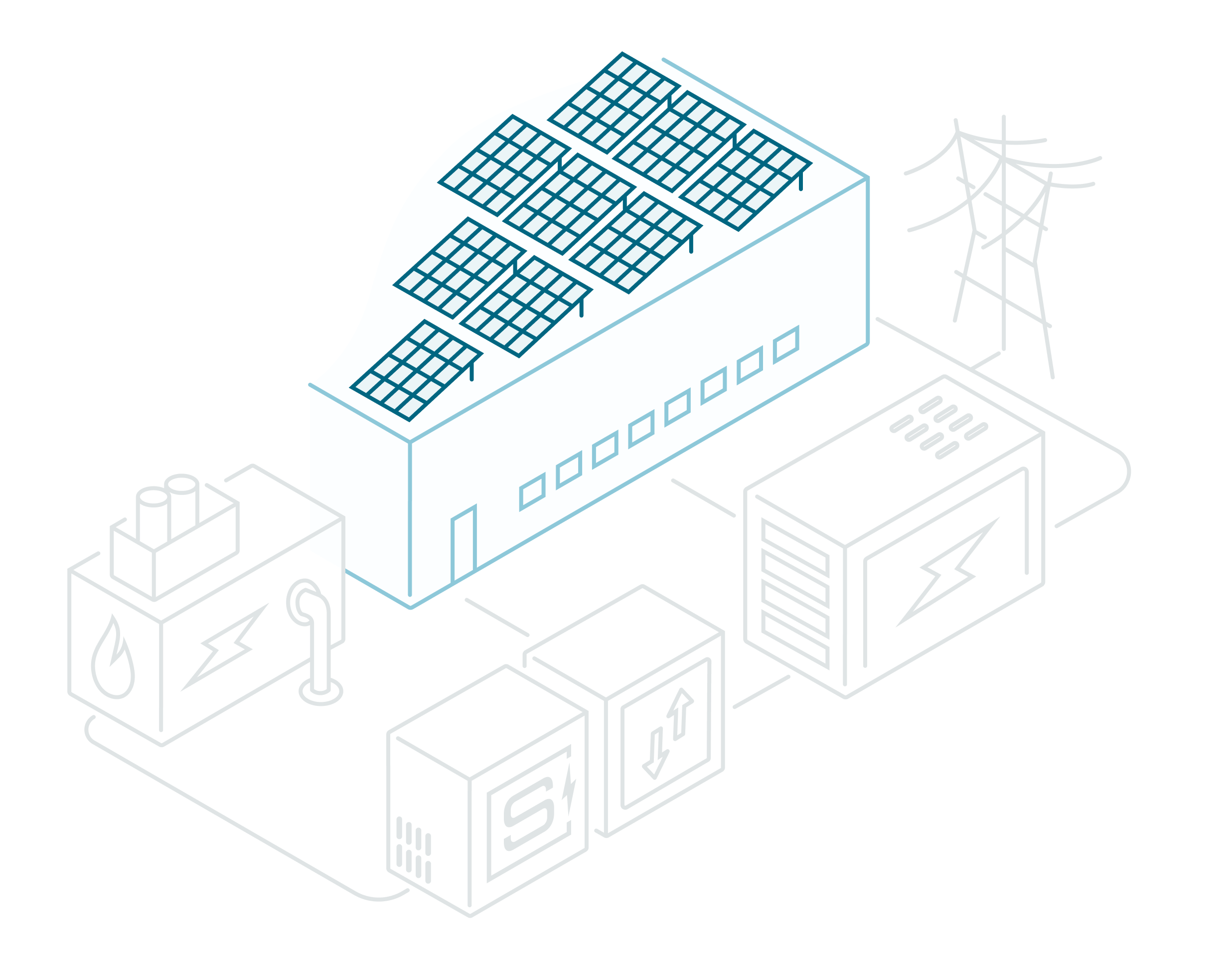
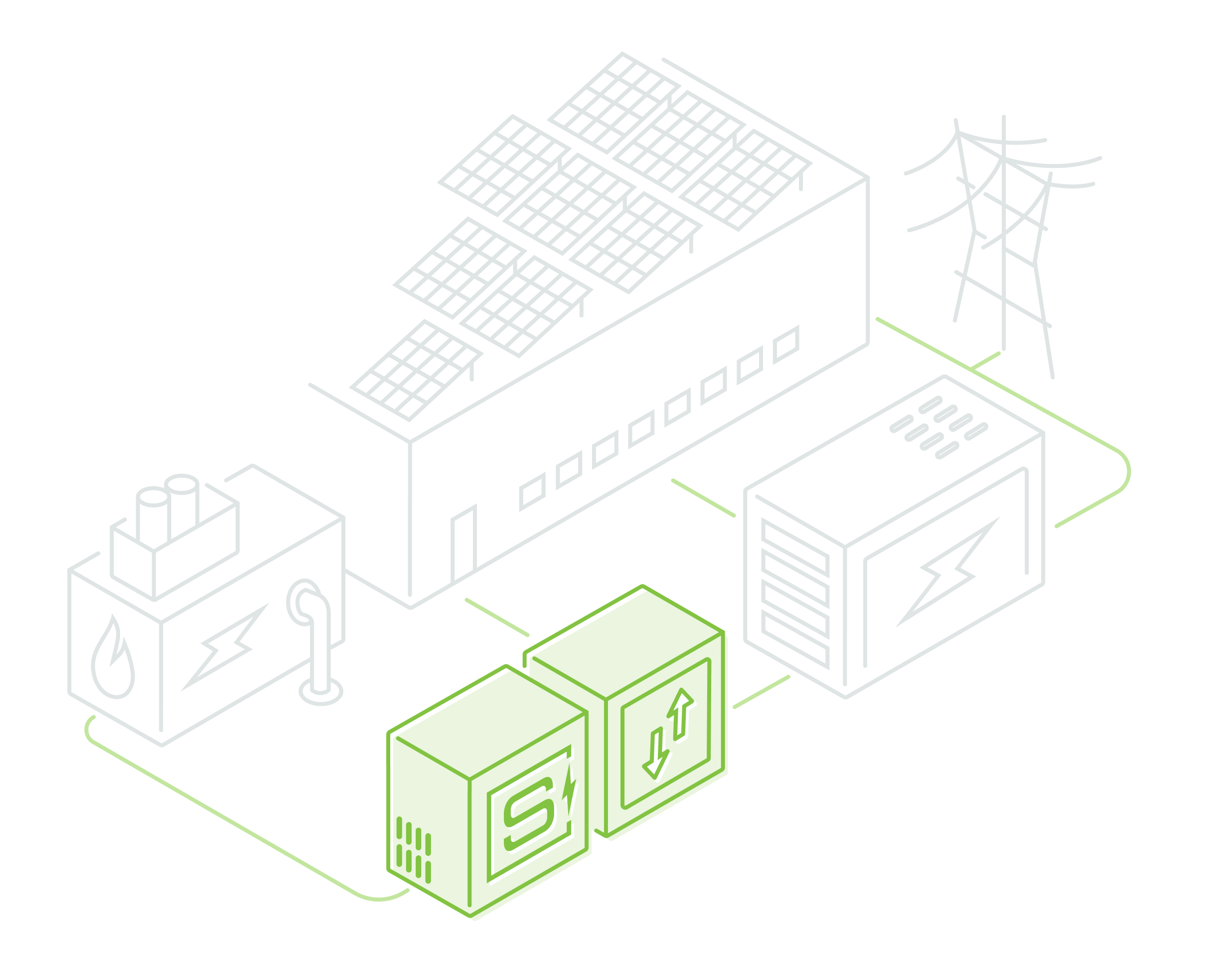
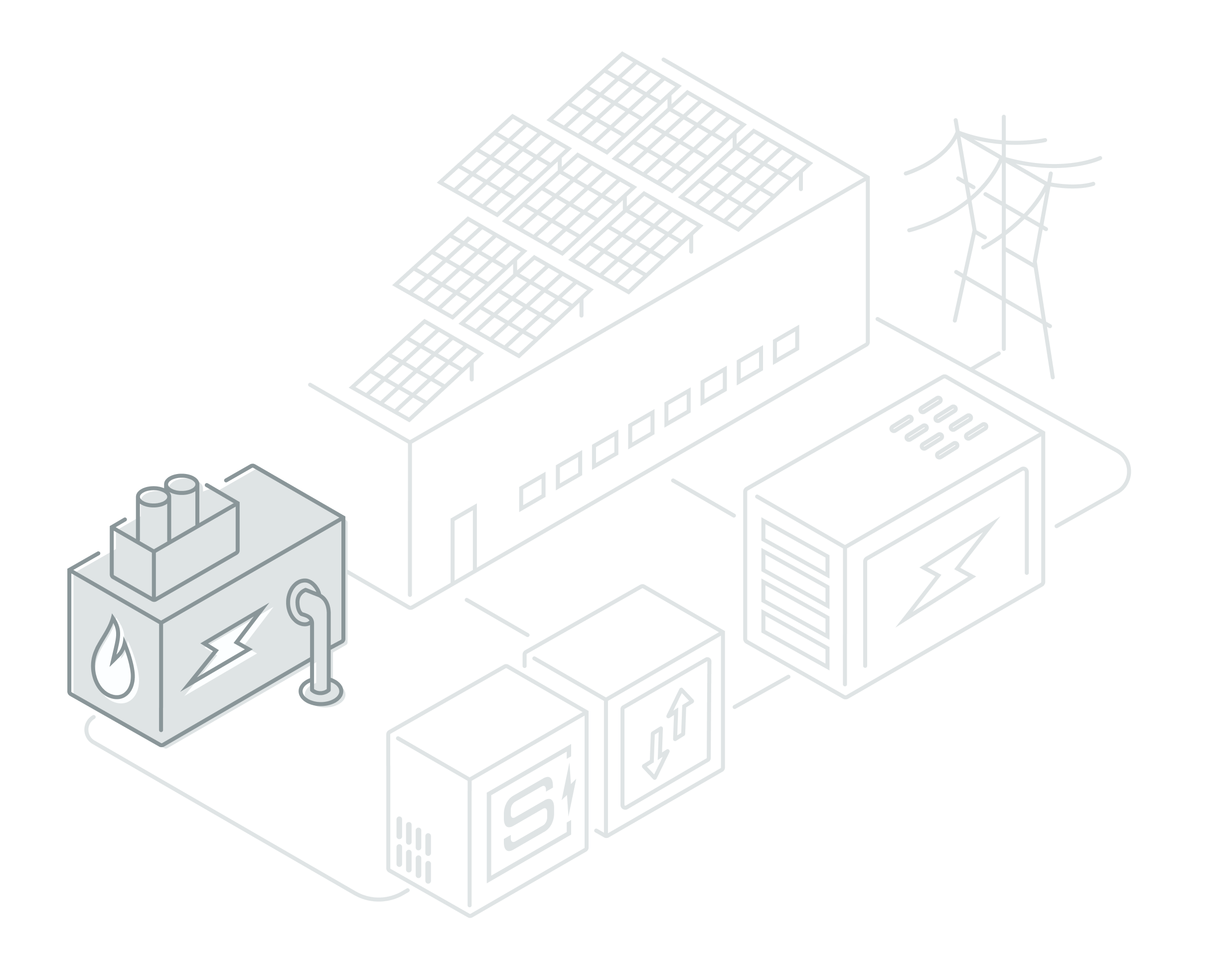
Scale’s advanced microgrids are integrated systems of on-site energy infrastructure, with multiple distributed energy resources (DERs) such as solar, battery storage, and generators, and optimal dispatch via customized controls.
Solar
Typically the cheapest source of kilowatt-hours, solar arrays lower energy costs and improve sustainability by generating zero-emission power from the sun.
Pairing solar with optimized battery storage is key to maximizing its value, particularly where regulations have reduced the value of solar-only systems.
Battery
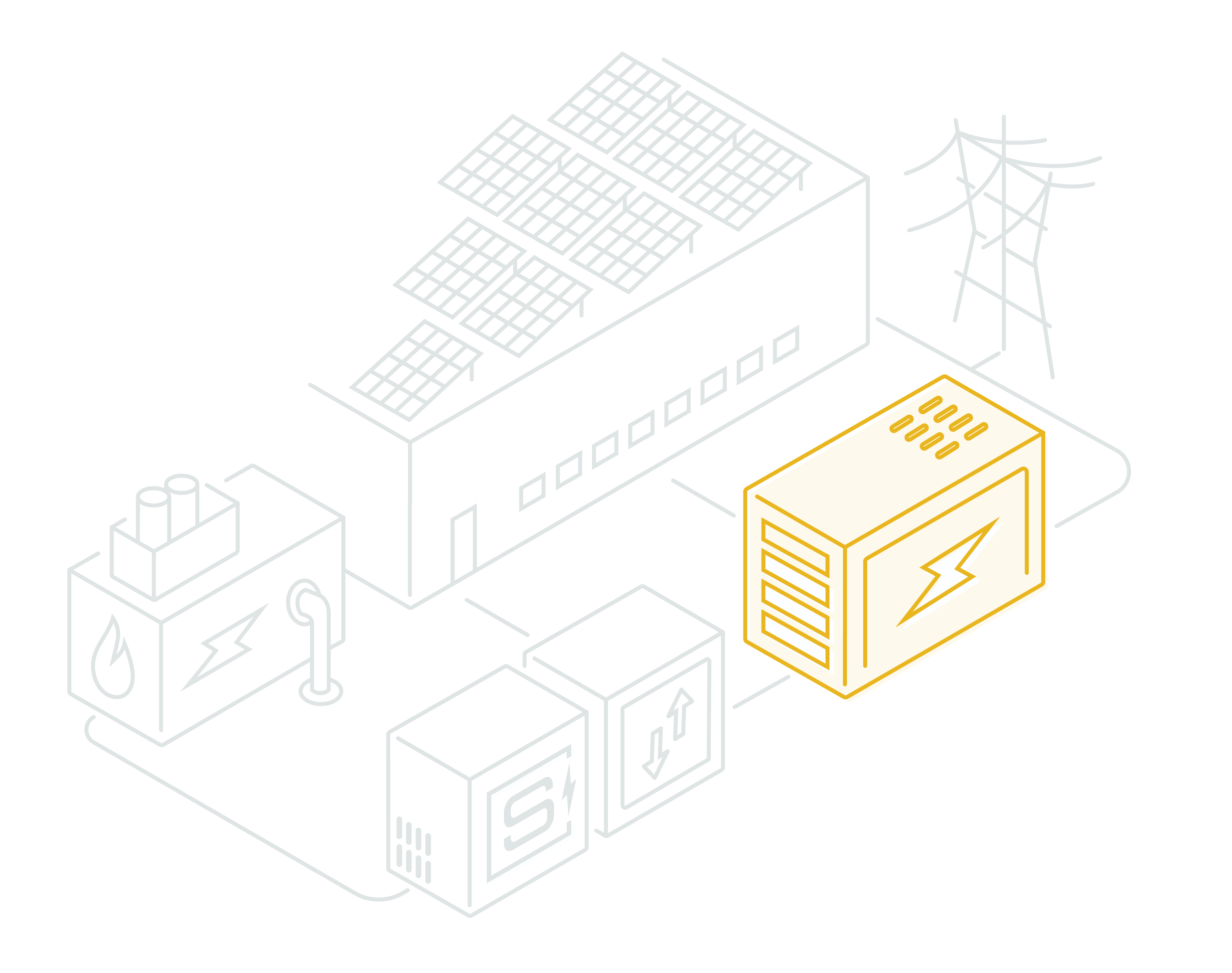
With or without solar, battery storage lowers energy costs by reducing grid use during the hours of the day, month, and year when utility prices are highest.
Batteries can also provide near- instantaneous transitions to backup power, eliminating disruptions to operations when the grid goes down.
Controls
Microgrid controls optimize dispatch of each resource to maximize value, provide fast, automatic transitions to backup power, and enable speed-to-power for facilities without grid access.
Scale's industry-leading expertise allows us to configure these controls in-house, customizing them to the specific needs of each customer facility.
Generator
Fuel-based generators provide a source of unlimited-duration backup power for extended outages. Generators also provide prime power to off-grid systems.
Scale can integrate existing backup generators or new, low-emission natural gas gensets we design and commission in-house for maximum reliability.
Case Studies
Facing interconnection delays, Origo worked with Scale to power their Amond World cold storage facility with an off-grid microgrid that will provide energy sooner and at a lower cost than the utility.
Scale’s microgrid for SMWD adds battery storage to existing solar and backup generators, using advanced controls to optimize operations for enhanced resilience and cost savings.

The microgrid for food logistics provider QCD enables them to avoid a long wait for a utility upgrade and reliably charge its fleet of electric trucks with lower costs and reduced emissions.
Full Lifecycle Support
Scale provides advanced microgrids under a microgrid-as-a-service model, under which we take full responsibility for the entire project lifecycle, from design and construction through long-term ownership and operations.
This service model enables manufacturing industry customers to eliminate up-front costs and minimize risks by leveraging Scale’s industry-leading expertise, proprietary software platform, and capital resources to ensure successful advanced microgrid projects.
Design
Build